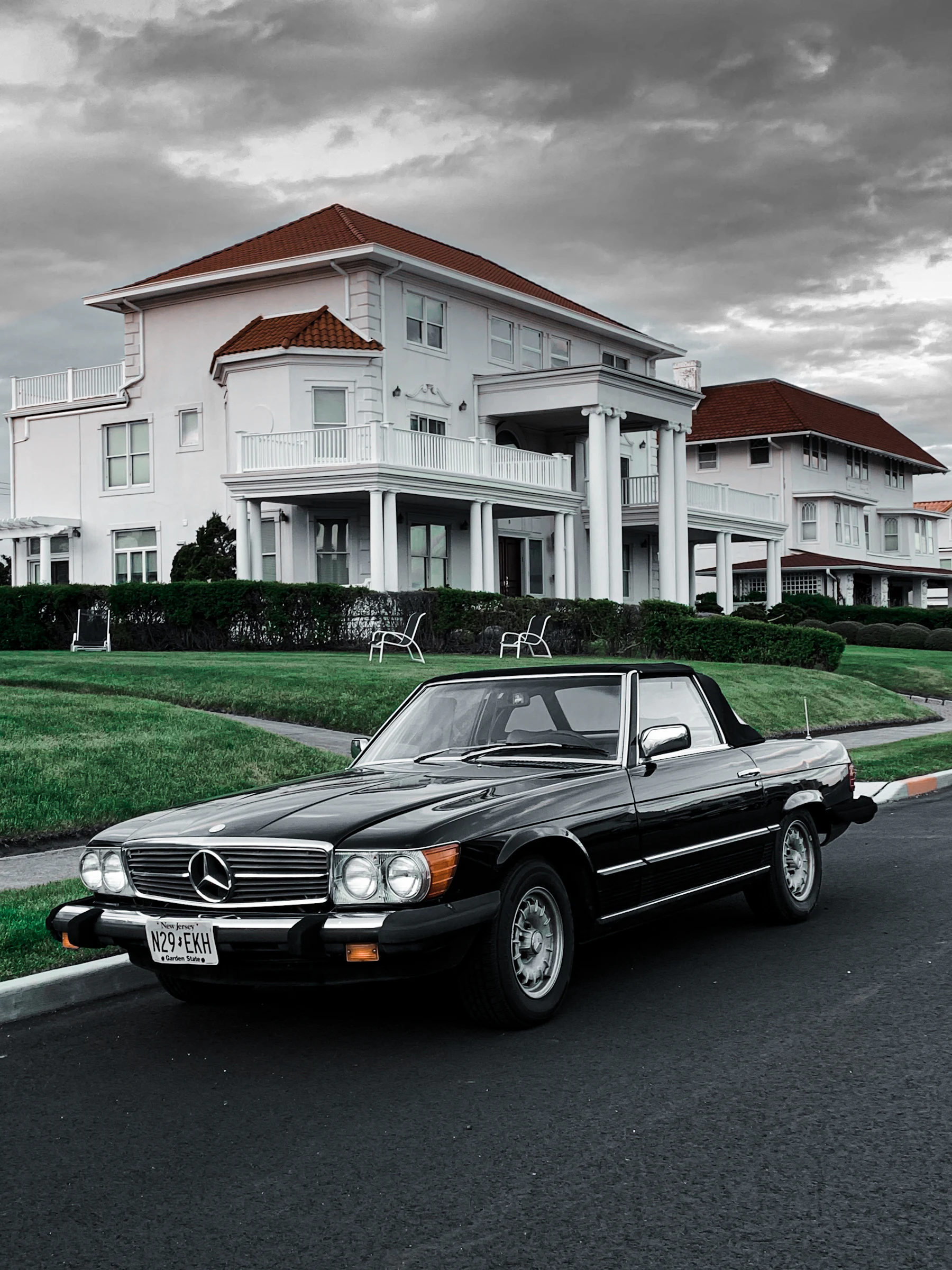
Classic character. A personal direction.Mercedes-Benz inspiration
Mercedes-Benz chassis
Modern or rebuilt engines
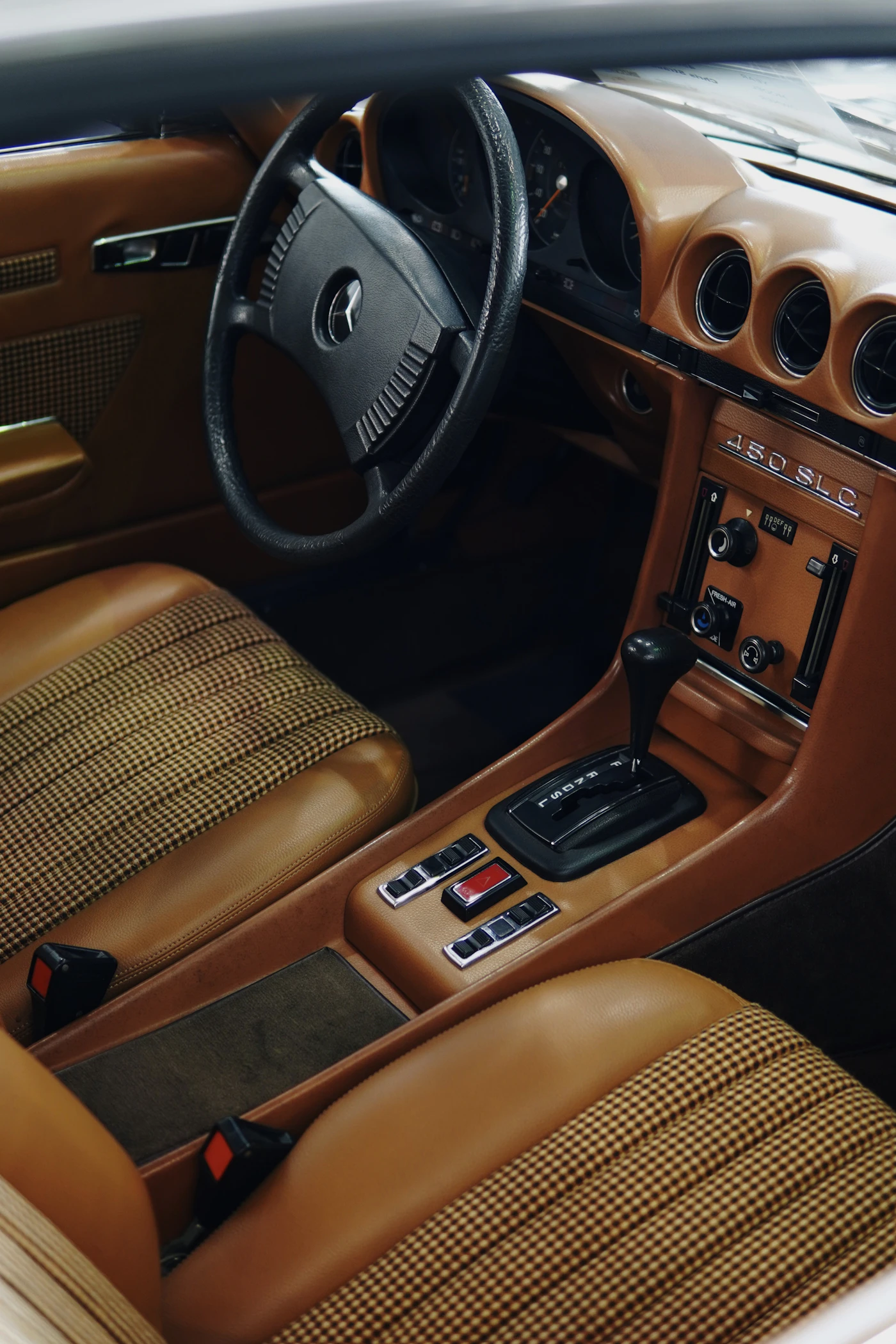
Custom upholstery
Embassy Glass in every build
What we create
From the chassis to the final stitch.
Start with a Mercedes-Benz you own, or let us help find the right starting vehicle. Together, we define the build around what you want to drive.
Custom Mercedes builds
Your vision. A complete custom build.
We start with an older Mercedes-Benz chassis and plan the engine, restoration, interior, and finishes around your preferences. Every choice has a place in the build before work begins.
Extensive restoration brings an older Mercedes remarkably close to new. Choose a modern replacement engine or a tuned, rebuilt engine, with the approach matched to your vehicle and driving goals.
Custom upholstery brings your colors, materials, and stitching into the cabin. We work through the interior details with you, from the driver's seat to the places your family settles in.
The goal is a car that feels remarkably close to new, with the character that made you choose it.
We work from the original Mercedes-Benz chassis, combining extensive restoration with a renewed interior and an engine selected for the build. The result is a restored vehicle, made personal from the inside out.
Modern replacement engine
A modern engine selected around the chassis and the way you want the car to drive.
Rebuilt and tuned engine
A rebuilt engine, tuned for your build, with zero miles since the rebuild.
Every Dream Shield Auto build is fitted with Embassy Glass.
Choose a Mercedes you love to drive, with a cabin that feels right for the people who come with you.
Start with your taste and your routine. We plan the upholstery and interior details around the way you want to use the car, whether that means time to yourself, a family weekend, or the drive you take every day.
Your materials
Upholstery, colors, stitching, and finishes chosen together.
Your family
The seating, comfort, and everyday details you want us to plan around.
Your decisions
A clear proposal covering the engine, interior, work, and project terms.